
In 2026, the e-commerce landscape is expected to be dominated by green brands that prioritize the environment. As consumers become increasingly eco-conscious, businesses are adapting to meet the demand for eco-friendly products and practices.
The shift towards sustainable ecommerce is not just a trend, but a necessity for businesses to remain competitive. Companies that invest in environmentally responsible practices are likely to attract a loyal customer base and stay ahead of the competition.
This article will explore the strategies that green brands are using to succeed in the e-commerce space, and what businesses can do to follow suit.
Key Takeaways
- Green brands are becoming increasingly popular in the e-commerce space.
- Consumers are driving the demand for eco-friendly products and practices.
- Businesses must adapt to remain competitive in a sustainable ecommerce landscape.
- Investing in environmentally responsible practices can attract a loyal customer base.
- Companies that prioritize sustainability are likely to stay ahead of the competition.
The State of Sustainable E-commerce in 2026
In 2026, the e-commerce industry is witnessing a paradigm shift towards sustainability, driven by technological innovations and changing consumer behaviors. This transformation is not just about adopting green practices; it’s about redefining the business model to prioritize environmental sustainability and social responsibility.
The Green Retail Revolution: From Trend to Standard
The green retail revolution has moved beyond being a mere trend; it’s now a standard expectation for consumers. Businesses are no longer just selling products; they’re selling a promise of sustainability. This shift is driven by:
- Increasing consumer awareness about environmental issues
- Government regulations and policies supporting sustainable practices
- The growing influence of eco-conscious generations, such as Gen Z and Alpha
Sustainable retail is no longer a niche market; it’s becoming the mainstream. Companies that fail to adapt are likely to be left behind.
Key Technological Advancements Driving Change
Technology is playing a crucial role in driving the sustainable e-commerce revolution. Some of the key advancements include:
- Artificial Intelligence (AI) for optimizing supply chains and reducing waste
- Blockchain for ensuring transparency in sourcing and production
- Green Cloud Services for reducing the carbon footprint of digital operations
These technological advancements are not only reducing the environmental impact of e-commerce but also creating new business opportunities and revenue streams.
As the industry continues to evolve, businesses must stay ahead of the curve by embracing green technology and sustainable practices. The future of e-commerce is green, and it’s here to stay.
Why Consumers Demand Green Brands in 2026
Eco-conscious consumers are driving the demand for green brands in 2026, pushing businesses to adopt sustainable practices. This shift is largely influenced by younger generations who prioritize environmental sustainability.
Generation Z and Alpha: The Eco-Conscious Majority
Generation Z and Alpha are at the forefront of the eco-conscious movement. These younger consumers are more informed and concerned about environmental issues than previous generations. They expect the brands they support to share their values, particularly when it comes to sustainability.
The Sustainability Premium: Value Perception Shift
The concept of a “sustainability premium” is becoming increasingly relevant. Consumers are willing to pay more for products and services from green brands that demonstrate a genuine commitment to environmental sustainability. This shift in value perception is driving businesses to integrate sustainable practices into their operations, not just as a marketing strategy, but as a core value proposition.
The demand for green brands is not just a trend; it’s a significant market shift driven by eco-conscious consumers. As a result, businesses that fail to adapt to this new reality risk being left behind.
The Business Case for Sustainable E-commerce
Sustainable e-commerce is no longer a niche trend but a mainstream expectation, driven by consumers and investors alike. As the digital marketplace continues to evolve, businesses are finding that adopting green practices is not only good for the planet but also beneficial for their bottom line.
ROI of Green Practices in Online Retail
Investing in sustainable practices can yield significant returns for e-commerce businesses. Energy-efficient warehouses, for instance, can reduce operational costs, while sustainable packaging can minimize waste and appeal to eco-conscious consumers. Studies have shown that companies adopting green practices can see an increase in ROI due to cost savings and enhanced brand reputation.
Brand Loyalty and Sustainability Correlation
There’s a growing correlation between sustainability and brand loyalty. Consumers are more likely to return to brands that demonstrate a commitment to environmental responsibility.
By investing in sustainability, e-commerce businesses can foster a loyal customer base, driving long-term growth and profitability.
In conclusion, the business case for sustainable e-commerce is clear. By embracing green practices, online retailers can not only contribute to a more sustainable future but also enhance their competitiveness and profitability in the market.
Green Supply Chain Transformation
As e-commerce continues to grow, the need for a green supply chain transformation has become increasingly urgent. The environmental impact of supply chains, from sourcing to delivery, is significant, and businesses are under increasing pressure to adopt more sustainable practices.
Transparent Sourcing and Blockchain Verification
One key aspect of green supply chain transformation is transparent sourcing. By utilizing blockchain technology, businesses can verify the origin of materials and track products throughout the supply chain. This not only ensures compliance with environmental regulations but also builds trust with consumers.
“Blockchain technology has the potential to revolutionize supply chain management by providing a transparent and tamper-proof record of transactions.”
Zero-Emission Delivery Networks
Another critical component is the development of zero-emission delivery networks. E-commerce companies are investing in electric and hybrid vehicles, as well as partnering with logistics providers that use sustainable transportation methods.
| Delivery Method | Carbon Emissions Reduction |
|---|---|
| Electric Vehicles | 70% |
| Hybrid Vehicles | 40% |
| Sustainable Logistics | 30% |
Circular Economy Integration in E-commerce Operations
Finally, integrating circular economy principles into e-commerce operations is crucial. This involves designing products and packaging for recyclability, reusability, and biodegradability, thereby reducing waste and the continuous demand for new resources.
By embracing these strategies, e-commerce businesses can significantly reduce their environmental footprint, enhance their brand reputation, and contribute to a more sustainable future.
Packaging Innovation: Beyond Plastic and Paper
The future of e-commerce packaging lies in innovative, eco-friendly materials and designs. As consumers become increasingly environmentally conscious, businesses are under pressure to adopt sustainable packaging solutions that not only reduce waste but also enhance brand image.
Biodegradable and Regenerative Materials
One of the most significant advancements in packaging is the development of biodegradable and regenerative materials. These materials, often derived from plant-based sources such as cornstarch, sugarcane, or mushroom mycelium, offer a viable alternative to traditional plastics. They decompose naturally, reducing landfill waste and the environmental harm caused by plastic pollution.
Smart Packaging Systems with Return Incentives
Smart packaging systems are another innovation gaining traction. These systems often incorporate return incentives, encouraging customers to return packaging for recycling or reuse. This approach not only reduces waste but also fosters a circular economy. Technologies like QR codes and RFID tags can be used to track packaging and reward customers for their returns, creating a closed-loop system.
Minimalist Design: The New Luxury Standard
Minimalist design is emerging as a new luxury standard in packaging. By simplifying packaging to the essentials, brands can convey a sense of elegance and sophistication while reducing material usage. This approach aligns with the growing consumer preference for simplicity and sustainability, making it a win-win for both businesses and the environment.
In conclusion, the shift towards sustainable packaging is driving innovation in the e-commerce sector. By embracing biodegradable materials, smart packaging systems, and minimalist design, businesses can not only reduce their environmental impact but also appeal to the eco-conscious consumer, ultimately driving brand loyalty and growth.
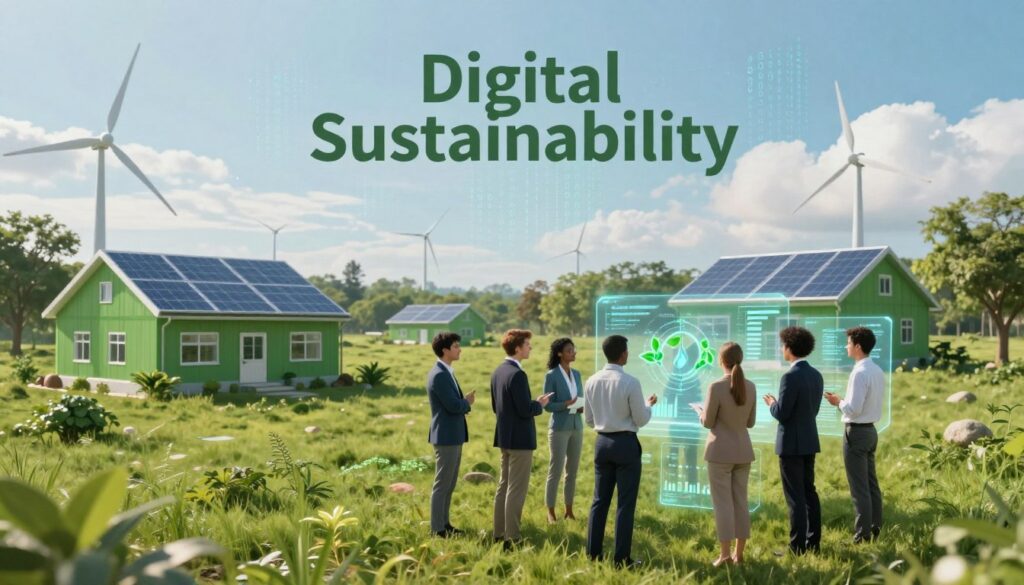
Digital Sustainability: Reducing Virtual Carbon Footprints
In the realm of e-commerce, reducing virtual carbon footprints is emerging as a critical business imperative. As digital operations expand, their environmental impact becomes increasingly significant, necessitating innovative solutions to mitigate this effect.
Quantum Computing and Green Cloud Services
The adoption of quantum computing and green cloud services is revolutionizing digital sustainability. Quantum computing enables more efficient data processing, reducing the energy consumption associated with complex computations. Meanwhile, green cloud services provide eco-friendly data storage solutions, leveraging renewable energy sources to power data centers.
Energy-Efficient Website and App Design
Optimizing website and app design for energy efficiency is crucial. This involves streamlining code, reducing unnecessary data transfers, and implementing lazy loading techniques. Such optimizations not only enhance user experience but also contribute to a more sustainable digital ecosystem.
Carbon-Neutral Digital Marketing Strategies
Digital marketing can also be made more sustainable through carbon-neutral strategies. This includes offsetting the carbon footprint of digital campaigns, using eco-friendly email marketing tools, and promoting sustainable products through targeted online advertising.
By embracing these digital sustainability practices, e-commerce businesses can significantly reduce their virtual carbon footprints, enhancing their brand reputation and contributing to a more sustainable future.
Product Authentication and Sustainability Verification
As consumers increasingly demand eco-friendly products, verifying sustainability claims has become crucial for e-commerce brands. This verification process involves multiple technologies and methodologies to ensure that products meet the environmental standards they claim.
Blockchain-Based Certification Standards
Blockchain technology is being utilized to create transparent and tamper-proof certification standards for sustainable products. This blockchain certification allows for the tracking of a product’s origin, materials, and production processes, providing consumers with reliable information about the product’s environmental impact.
AI-Powered Environmental Impact Assessment
Artificial intelligence is being leveraged to assess the environmental footprint of products throughout their lifecycle. AI environmental impact assessments analyze data from various sources to provide a comprehensive view of a product’s sustainability, helping businesses identify areas for improvement.
Customer-Driven Verification Systems
Customer-driven verification systems empower consumers to make informed purchasing decisions. By providing accessible tools for product authentication, businesses enable customers to verify the sustainability claims of products, fostering trust and loyalty.
| Verification Method | Description | Benefits |
|---|---|---|
| Blockchain Certification | Transparent and tamper-proof tracking | Reliable information for consumers |
| AI Environmental Impact | Comprehensive lifecycle assessment | Identifies areas for improvement |
| Customer-Driven Systems | Empowers informed purchasing decisions | Fosters trust and loyalty |
Green Fintech Revolution in Online Shopping
Green fintech is revolutionizing online shopping by introducing innovative financial solutions that prioritize sustainability. This revolution is not just about changing payment methods; it’s about transforming the entire online shopping experience to be more eco-friendly.
Carbon Offset Payment Integration
One of the key innovations in green fintech is the integration of carbon offset payments. This allows consumers to offset the carbon footprint of their purchases by contributing to environmental projects. For instance, companies like Stripe are already offering carbon offset options at checkout, making it easier for consumers to make sustainable choices.
Sustainability-Linked Financing Models
Sustainability-linked financing models are another significant development. These models tie the terms of financing to the sustainability performance of the borrower. For example, if an e-commerce business meets certain sustainability targets, it can benefit from lower interest rates or other favorable terms. This approach encourages businesses to adopt more sustainable practices.
Eco-Reward Programs and Digital Currencies
Eco-reward programs and digital currencies are also gaining traction. These programs reward consumers with digital currencies or other incentives for making eco-friendly purchases or engaging in sustainable behaviors. This not only promotes sustainable consumption but also fosters customer loyalty.
In conclusion, the green fintech revolution is set to transform online shopping by making it more sustainable and financially inclusive. As consumers become more eco-conscious, the demand for green fintech solutions will continue to grow, driving further innovation in this space.
Authentic Green Marketing in a Skeptical World
In an era where greenwashing is rampant, authentic green marketing has become a crucial differentiator for eco-conscious brands. As consumers increasingly scrutinize environmental claims, businesses must adapt to regain trust and demonstrate their commitment to sustainability.
Transparency Through Real-Time Impact Dashboards
One effective way to achieve transparency is through real-time impact dashboards that track and display a brand’s environmental footprint. This could include metrics on carbon emissions, water usage, or waste reduction. By making this data accessible, companies can demonstrate their progress and accountability.

Data-Backed Environmental Claims
To combat skepticism, brands must support their environmental claims with robust data. This involves conducting thorough life cycle assessments, sourcing credible data, and making this information available to consumers. By doing so, businesses can build credibility and foster a deeper connection with eco-conscious customers.
Community Building Around Environmental Action
Green marketing can also be made more authentic by building a community around environmental action. This involves engaging customers in sustainability initiatives, encouraging feedback, and collaborating on eco-friendly projects. Such community-driven efforts can create a loyal customer base and further reinforce a brand’s green credentials.
Competitive Advantages of Sustainable E-commerce
E-commerce businesses that prioritize sustainability are discovering numerous competitive advantages that set them apart from their less eco-friendly counterparts. By adopting green practices, these companies are not only contributing to a healthier planet but also improving their bottom line and market position.
Cost Savings Through Resource Efficiency
One of the primary competitive advantages of sustainable e-commerce is the potential for significant cost savings. By optimizing resource use and reducing waste, businesses can lower their operational expenses. For instance, implementing energy-efficient lighting and HVAC systems in warehouses and offices can lead to substantial reductions in utility bills.
Talent Attraction and Retention Benefits
Sustainable e-commerce practices also offer talent attraction and retention benefits. In today’s job market, many employees, particularly from younger generations, prioritize working for companies that share their values, including environmental responsibility. By showcasing a commitment to sustainability, e-commerce businesses can attract top talent and reduce employee turnover rates.
Regulatory Compliance as Market Advantage
Proactive regulatory compliance is another competitive advantage of sustainable e-commerce. As governments worldwide implement stricter environmental regulations, businesses that have already adopted sustainable practices will be better positioned to comply with new laws, avoiding potential fines and reputational damage.
Tax Incentives and Government Programs
Many governments offer tax incentives and participate in programs that support sustainable businesses. By adopting green practices, e-commerce companies may qualify for these benefits, further enhancing their competitive advantages.
Avoiding Future Compliance Costs
By embracing sustainability now, e-commerce businesses can avoid the costs associated with future compliance. This proactive approach not only saves money but also provides a competitive edge in the market.
2026 Success Stories: Leading Green E-commerce Brands
The year 2026 has brought forth numerous success stories in the realm of green e-commerce, showcasing the impact of sustainable practices across various business sizes and industries. These stories not only highlight the environmental benefits but also demonstrate the business value of going green.
Small Business Transformation Examples
Small businesses are making significant strides in sustainability. For instance, EcoWear, a small online clothing retailer, has completely transformed its supply chain by switching to organic cotton and recycling water in its manufacturing process. This shift has not only reduced their carbon footprint by 40% but also attracted a loyal customer base willing to pay a premium for sustainable products.
Enterprise-Level Sustainability Champions
Large enterprises are also leading the way in sustainable e-commerce. Companies like GreenTech Inc. have implemented comprehensive sustainability programs, including zero-waste packaging, carbon-neutral shipping, and sustainable sourcing. These initiatives have resulted in a 30% reduction in operational costs and a significant boost in brand reputation.
Cross-Industry Collaboration Models
Cross-industry collaborations are emerging as a powerful tool for driving sustainability in e-commerce. For example, the partnership between EcoCycle, a waste management company, and GreenShop, an e-commerce platform, has created a closed-loop system where packaging waste is recycled into new products. This collaboration has not only reduced waste but also created new revenue streams for both parties.
| Company | Initiative | Impact |
|---|---|---|
| EcoWear | Organic cotton sourcing | 40% reduction in carbon footprint |
| GreenTech Inc. | Zero-waste packaging | 30% reduction in operational costs |
| EcoCycle & GreenShop | Closed-loop recycling | New revenue streams and reduced waste |
These success stories demonstrate that sustainability is becoming a core component of e-commerce business strategies in 2026. By adopting green practices, businesses are not only contributing to environmental conservation but also enhancing their competitiveness and profitability.
Conclusion: The Future of Retail is Green
The e-commerce landscape is undergoing a significant transformation, driven by the growing demand for sustainable practices. As we’ve explored throughout this article, the future of retail is inextricably linked to the adoption of green retail strategies.
By embracing eco-friendly packaging, reducing digital carbon footprints, and implementing transparent supply chains, online retailers can not only reduce their environmental impact but also drive business growth and customer loyalty.
As consumers increasingly prioritize sustainability, green retail is no longer a niche trend but a mainstream expectation. Brands that fail to adapt risk being left behind, while those that innovate and lead in sustainability will reap the rewards of a loyal customer base and a competitive edge in the market.
The future of retail is green, and it’s clear that sustainability will continue to shape the e-commerce industry in the years to come.